


For the longest time, popular AI tools and agents have remained ad-free for all users while operating on a paid monthly subscription model, offering extra credits and a higher usage limit to the paid users. However, we could be nearing the end of the ad-free era for all users, with ChatGPT planning to introduce ads, or so we thought; while ChatGPT is planning to introduce ads, Anthropic pledges to keep Claude ad-free to support their vision, and have Claude be a genuinely helpful assistant for work and for deep thinking. Both companies have their reasons, but in the end, it will be your decision as a user whether you want to use ChatGPT with ads as a free or Go user or use Claude to keep an ad-free experience.
What are online/digital ads and how do they work?
Online/digital ads are the modern advertisements done via the internet using digital channels like search engines, social media, websites, and more to prompte promote product(s) or service(s) to a targeted audience using interactive or personalized messages.
These ads work using users' data and algorithms to deliver targeted marketing messages to a targeted audience across the internet. They function through ad networks, using cookies to track user behavior, demographics, and interests to show personalized, relevant ads.
Now that you understand what online/digital ads are and how they work, let's understand why OpenAI wants to incorporate ads in ChatGPT while Anthropic AI wants to keep the user experience ad-free.
AdCreative.ai: An AI-powered platform that automates the creation of high-performing ad creatives for social media and display campaigns.
Framework 1: OpenAI's ad-supported access expansion (ChatGPT)
OpenAI is framing advertising as a funding mechanism for broader availability and expansion. OpenAI says the free product needs a sustainable path to scale, and advertising is one way to set fewer usage limits and keep prices more affordable without pushing everyone into higher-priced plans. Ads in ChatGPT are in the testing phase for logged-in adults in the U.S. on the Free and ChatGPT Go tiers.
Main features, functions, and key points
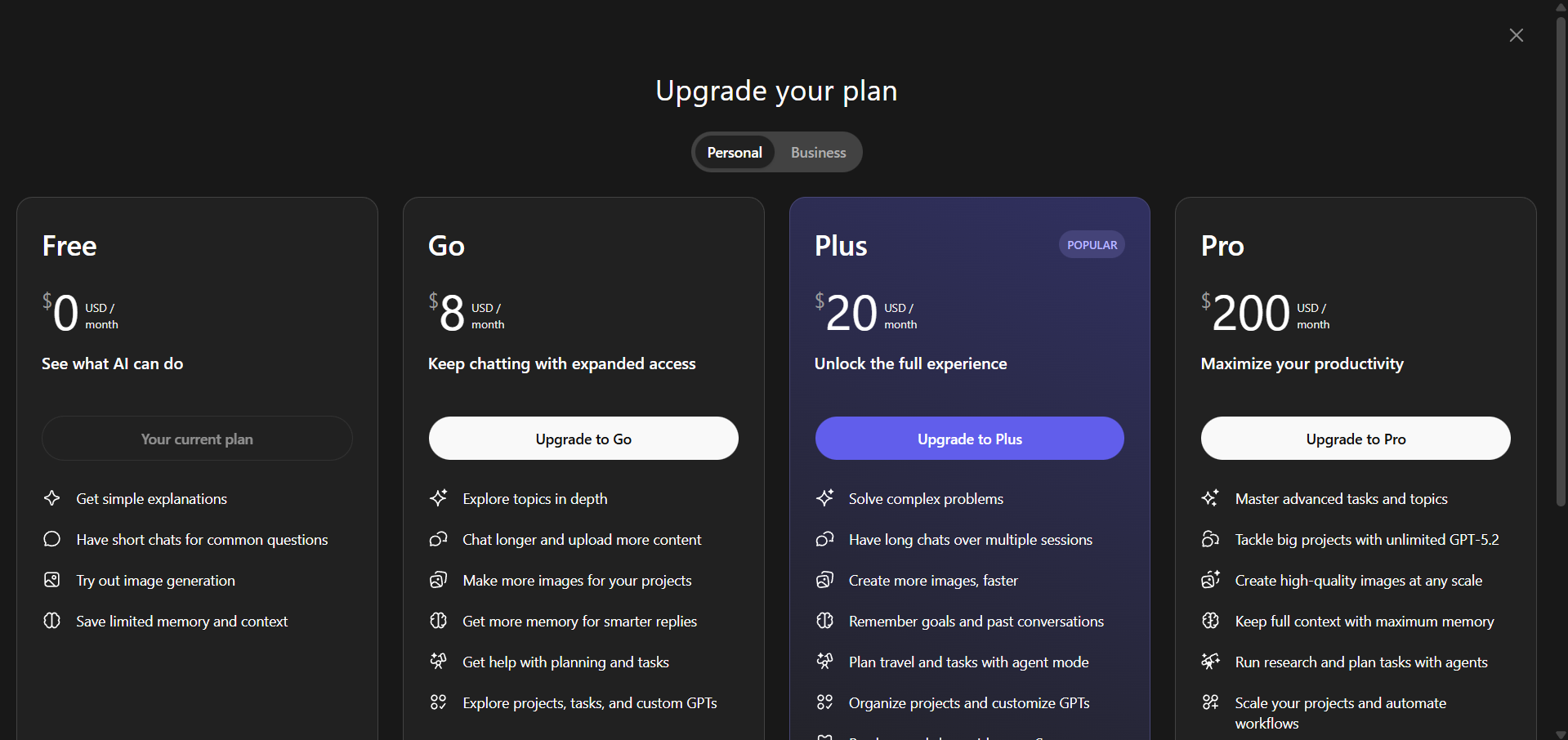
- Who stays ad-free: ChatGPT Plus, Pro, Business, and Enterprise subscriptions will not include ads.
- Placement and labeling: Initial formats are planned at the bottom of answers, and ads will be clearly labeled and separated from organic responses.
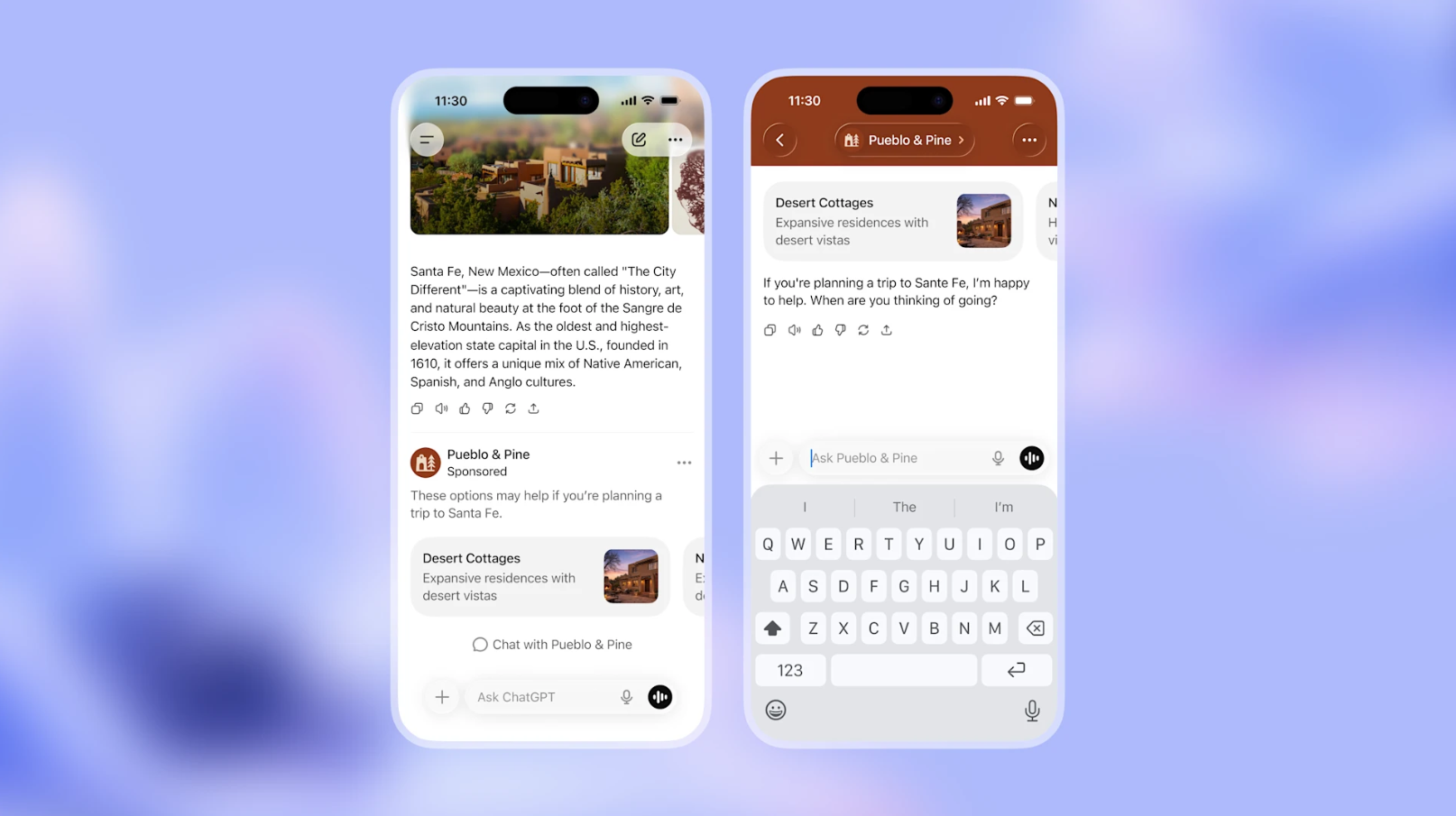
- Targeting basis: OpenAI describes relevance as based on your current conversation (e.g., a sponsored product or service that matches what you're discussing).
- User controls: You'll be able to learn why you're seeing an ad, dismiss it, give feedback, turn off personalization, and clear the data used for ads.
- Privacy commitments: OpenAI says it keeps your ChatGPT conversations private from advertisers and never sells your data to them (except when you message an advertiser through an ad, in which case the advertiser sees what you send them directly).
- Safety exclusions during testing: Ads won't show for users who say they're under 18 or are predicted to be under 18, and ads won't be eligible near sensitive or regulated topics like health, mental health, or politics.
- Incentive statement: OpenAI claims it does not optimize for time spent in ChatGPT, prioritizing trust and user experience over revenue.
MeetGeek: An AI-powered meeting assistant that automatically records, transcribes, summarizes, and analyzes virtual meetings in real time.
Framework 2: Anthropic's ad-free "space to think" (Claude)
Anthropic's argument against ads in their latest blog isn't that ads are always bad; they even mentioned how they run their own ad campaigns. However, Anthropic AI is against the idea of including ads in conversations with Claude, because according to their vision, Claude is a genuinely helpful assistant for work and for deep thinking.
Ads and advertisers can indeed influence AI's responses because of the incentives companies can gain, and Anthropic AI wants to keep Claude unambiguous, free of advertiser influence or third-party product placements that users did not ask for.
Main features, functions, and key points
- The headline promise: Anthropic says Claude will remain ad-free for all users.
- No sponsored links and no advertiser influence: Users won't see sponsored links adjacent to their conversations, advertisers won't influence Claude's responses, and there won't be third-party product placements users didn't ask for.
- Why ads feel different here: Anthropic argues AI conversations are uniquely open to influence because they're open-ended and users share more than they would in a traditional query.
- Even separate ads are a problem: Anthropic says that even if ads don't directly alter model outputs and simply appear elsewhere in the chat window, they would still compromise the space to think, and introduce incentives to optimize for engagement (time spent, return frequency).
- A nod to nuance: Anthropic acknowledges more transparent or opt-in approaches might avoid some concerns, but warns that ad incentives historically tend to expand over time.
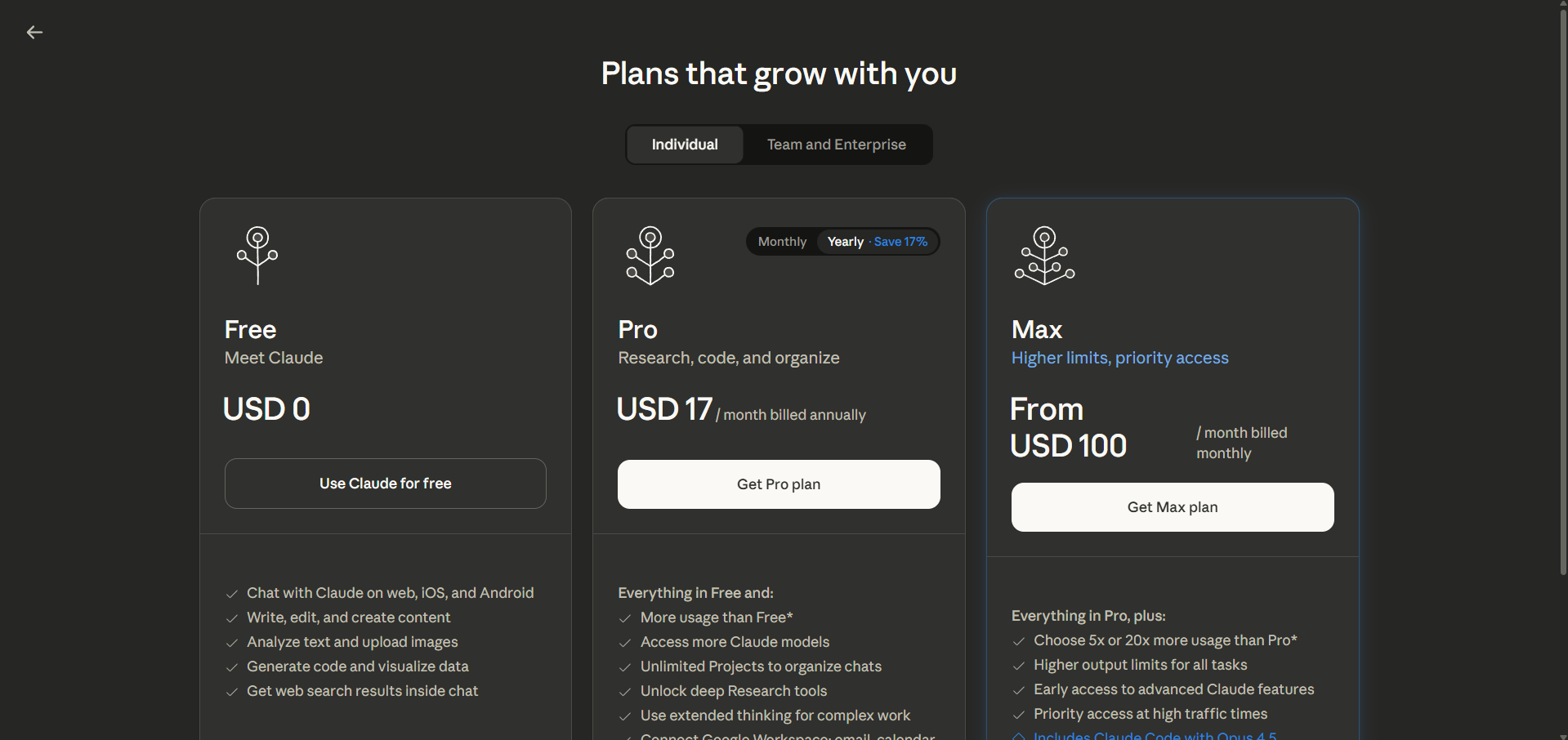
- Business model: Anthropic says it generates revenue through enterprise contracts and paid subscriptions, reinvesting that revenue into improving Claude, and aims to expand access without selling attention or data to advertisers.
Editor's note:
From an outsider perspective, Anthropic AI keeping Claude ad-free is a clear jab at OpenAI for planning to introduce ads to its free and Go users. Both companies have their own vision for expansion and user experience, but they may raise some questions. Also, a 2024 quote from Sam Altman is going viral, where OpenAI's CEO called "ads as a last resort." I have been using ChatGPT since early 2023 and genuinely like what OpenAI has done with it, but if the company is on its last resort (ads), that begs the question of whether AI companies are as profitable as they seem from the outside.
💡 For Partnership/Promotion on AI Tools Club, please check out our partnership page.
